

How to Plan a Long-Distance Carpool Trip in India
Planning a long-distance carpool in India? Learn how to choose the right ride, plan routes, share costs, manage luggage, coordinate with passengers, and travel safely with practical carpooling tips from RideFizz.
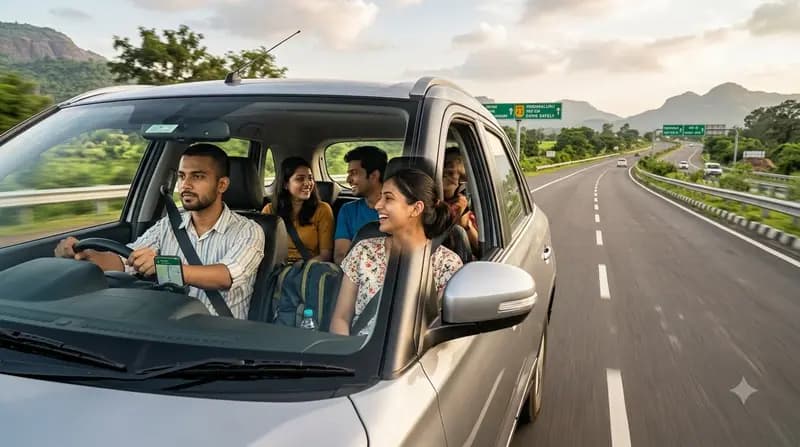
Long-distance travel by road can be more convenient when passengers share a journey instead of travelling alone. A long-distance carpool in India allows drivers with available seats and passengers travelling in the same direction to share a trip and agreed travel costs. For intercity journeys such as Delhi–Jaipur, Mumbai–Pune, Bengaluru–Mysuru, or Hyderabad–Bengaluru, carpooling can provide another option alongside buses, trains, and private vehicles.
However, a successful carpool trip requires more than finding an available seat. Route, timing, pickup points, luggage, costs, breaks, communication, and safety should all be discussed before the journey.
This guide explains how to plan a long-distance carpool trip in India, what passengers and drivers should consider, and how a platform such as RideFizz can help organize shared road travel.
What Is Long-Distance Carpooling?
Long-distance carpooling is a shared road journey where a driver travelling from one city or destination to another offers available seats to passengers going in the same direction.
For example, a driver travelling from Delhi to Jaipur may have empty seats in the vehicle. Passengers travelling along the same route can join the trip and contribute an agreed amount toward shared travel expenses.
Unlike a traditional taxi, the driver is generally already travelling on the route rather than making a separate journey specifically for the passenger. Local carpooling usually involves shorter daily commutes, while long-distance carpooling focuses on journeys between cities or across larger distances.
The basic arrangement involves:
- A driver travelling on a planned route
- One or more available passenger seats
- A mutually agreed pickup and drop-off location
- An agreed contribution toward trip-related costs
- Communication between the driver and passengers before and during the journey
Why Consider a Long-Distance Carpool in India?
People choose carpooling in India for different practical reasons. For some, it can help distribute road-trip expenses. For others, it offers an alternative when public transport schedules or routes do not match their plans.
Share Fuel and Travel Expenses
Fuel is one of the major expenses associated with a road journey. When multiple people share a vehicle, they can agree on how applicable travel expenses will be divided.
The arrangement should be discussed clearly before departure so everyone understands what is included.
Reduce Individual Driving Costs
A driver travelling alone may have unused seats throughout the journey. Sharing the trip can allow the available seats to be used while distributing agreed costs among participants.
Get More Flexible Travel Options
Buses and trains generally operate according to fixed schedules and routes. A shared car journey may provide more flexibility around departure locations, intermediate stops, and arrival points, depending on the driver's planned route.
Make Better Use of Available Seats
Carpooling makes use of seats that might otherwise remain empty during an intercity journey. This can be particularly useful when someone is already planning to drive between two cities.
Potentially Reduce the Number of Individual Trips
When people travelling in the same direction share one vehicle instead of making separate journeys, fewer vehicles may be needed for those individual trips. The actual environmental impact depends on factors such as vehicle type, occupancy, route, and whether the shared trip replaces another journey.
Meet Other Travellers
A long road journey can also provide an opportunity to meet people travelling for work, education, family visits, or other purposes. Clear communication and appropriate boundaries remain important throughout the trip.
How to Plan a Long-Distance Carpool Trip in India
Planning in advance can make a shared road journey easier for everyone involved. Use the following steps before confirming a ride.
Choose Your Route and Travel Date
Start by defining exactly where you want to travel.
Consider:
- Starting city and preferred pickup area
- Destination city
- Travel date
- Preferred departure window
- Expected arrival window
- Major cities or locations along the route
- Possible alternative routes
- Planned stops
For example, if you are planning a Delhi–Jaipur journey, decide whether you need pickup from central Delhi, a particular neighbourhood, or a convenient location near the route.
Similarly, for a Mumbai–Pune trip, agreeing on a practical pickup point can prevent unnecessary detours.
Try to provide some flexibility around your departure and arrival times. Road journeys can be affected by traffic, weather, road conditions, and unexpected stops.
Find the Right Carpool
Once your route and date are clear, look for a suitable shared ride.
Before joining, check the available information carefully:
- Driver details
- Vehicle information
- Starting point
- Destination
- Available seats
- Departure time
- Expected route
- Cost contribution
- Reviews or ratings, where available
Do not select a ride based only on price. The route, timing, pickup location, vehicle information, and overall trip arrangement should also match your requirements.
For drivers, the same principle applies. Review passenger information and make sure the proposed pickup and drop-off arrangements are practical for your journey.
Discuss the Trip Details in Advance
A short conversation before departure can prevent many misunderstandings.
Confirm:
Pickup point:
Agree on a specific and recognizable location rather than a vague area.
Drop-off point:
Clarify whether the passenger will be dropped at the destination city, a particular locality, or another agreed location along the route.
Departure time:
Confirm the actual meeting time and allow reasonable time for delays.
Travel duration:
Treat the estimated journey time as an estimate rather than a guarantee.
Luggage:
Discuss how much luggage each passenger plans to carry, particularly if the vehicle has limited boot space.
Number of passengers:
Confirm how many people will travel and how many seats are available.
Cost sharing:
Agree on the expected contribution and what expenses it covers.
Stops:
Discuss whether there will be food, restroom, fuel, or rest stops during the journey.
Clear communication is one of the simplest ways to make shared rides in India more predictable.
Estimate and Agree on Travel Costs
Before starting the trip, establish how the shared costs will be handled.
Depending on the journey, relevant expenses may include:
- Fuel
- Tolls
- Parking, where applicable
- Other mutually agreed trip-related expenses
There is no single cost-sharing formula that applies to every carpool. The arrangement may depend on the route, vehicle, number of passengers, and expenses involved.
The important point is transparency. Everyone should understand the contribution before the journey begins rather than discovering additional costs later.
Plan Breaks for a Long Journey
Long road trips should include appropriate breaks.
Depending on the journey length, consider stopping for:
- Food
- Restroom breaks
- Fuel
- Driver rest
- Stretching or short recovery breaks
Choose suitable stopping locations rather than stopping in unsafe or unsuitable areas.
Drivers should also avoid continuing to drive when excessively tired. A planned break can help make the journey more manageable and gives passengers an opportunity to rest.
Remember to allow additional time for traffic congestion, road conditions, weather, and unexpected delays.
Pack Smart
For a carpool journey, practical packing is usually better than carrying unnecessary items.
A simple checklist can include:
- Identification
- Phone
- Phone charger or power bank
- Water
- Snacks
- Required medicines
- Small or appropriately sized luggage
- Emergency contact information
Keep important personal items such as your phone, wallet, identification, and medicines easily accessible.
Long-Distance Carpool Safety Tips in India
Safety should be considered before, during, and after the journey. These carpooling safety tips apply to both passengers and drivers.
Verify Ride and Driver Information
Before joining a ride, check the available driver, vehicle, route, timing, and other relevant information.
If something differs significantly from what was agreed upon, clarify it before entering the vehicle.
Share Your Trip Details
Tell a trusted family member or friend about your planned journey.
Share useful information such as:
- Driver or passenger details
- Vehicle information
- Pickup location
- Destination
- Expected departure time
- Expected arrival time
You can update your contact if the schedule changes significantly.
Choose a Clear Pickup Location
Meet at a recognizable and suitable location. Avoid creating confusion by arranging a pickup point that is difficult to identify.
For example, instead of simply saying "near the highway," agree on a specific landmark or accessible public location where both parties can easily find each other.
Keep Your Phone Charged
A charged phone is important during any long-distance journey. Carry a charger or power bank when possible, especially for longer routes.
Limit Unnecessary Personal Information
Carpooling involves meeting people you may not know personally. Share only information necessary for coordinating the trip.
Confirm the Vehicle Before Entering
Check that the vehicle matches the information provided for the ride. If the vehicle or circumstances do not match the agreed details, pause and clarify before continuing.
Use Available Platform Safety Features
If the carpooling platform provides reporting, support, verification, or other safety features, understand how they work before your journey.
Trust Your Judgment
If something does not match the agreed ride details or you are uncomfortable with a significant change, clarify the situation before proceeding.
For drivers, safe driving should remain the priority throughout the journey.
What Drivers Should Know Before Offering a Long-Distance Carpool
Drivers have additional responsibilities when offering seats on a long road trip.
Keep Vehicle Documents and Permissions in Order
Make sure the vehicle has the documents and permissions required for its intended use and that you comply with applicable traffic and transport rules.
Maintain the Vehicle
Check essential vehicle conditions before a long trip, including:
- Tyres
- Brakes
- Lights
- Fluids
- Fuel
- Spare tyre or appropriate roadside equipment
For longer journeys, a basic vehicle inspection can help identify problems before departure.
Clearly Communicate the Route
Passengers should know the planned route, approximate timing, pickup points, and destination arrangements before the trip.
Set Realistic Pickup and Drop-Off Points
Avoid promising locations that require significant detours unless they have been explicitly agreed upon.
Practical pickup points can make the journey easier for both drivers and passengers.
Be Transparent About Cost Sharing
Explain the expected contribution and applicable expenses before accepting passengers.
Avoid Overloading the Vehicle
Never exceed the vehicle's permitted passenger or luggage capacity.
Take Appropriate Breaks
Long-distance driving can be tiring. Plan suitable breaks and avoid driving when fatigued.
Communicate Delays
Traffic, weather, road conditions, and unexpected situations can change travel times. Inform passengers about significant delays as early as practical.
Carpooling vs Bus, Train and Solo Driving
There is no single travel option that suits every journey. The appropriate choice depends on your route, schedule, budget, privacy requirements, luggage, and personal preferences.
| Factor | Carpool | Bus | Train | Solo Driving |
|---|---|---|---|---|
| Cost | Shared trip expenses | Ticket-based | Ticket-based | Driver bears trip costs |
| Flexibility | Can vary by ride and route | Usually schedule-based | Schedule-based | High |
| Privacy | Shared vehicle | Shared transport | Shared transport | Higher privacy |
| Convenience | Depends on pickup/drop-off arrangement | Depends on route | Depends on station access | Direct control |
| Scheduling | Depends on driver and passengers | Fixed schedules | Fixed schedules | Driver-controlled |
| Luggage | Depends on vehicle space | Subject to operator rules | Subject to railway rules | Driver-controlled |
| Route flexibility | Depends on driver's route | Fixed route | Fixed rail network | High |
For example, a traveller who values a fixed departure schedule may prefer a bus or train. Someone already driving between two cities may consider sharing available seats. A person who wants complete control over stops and timing may prefer travelling alone.
The decision depends on the specific journey rather than one universal option.
How RideFizz Can Help With Carpool Trips
Planning carpool trips in India can involve coordinating several details between drivers and passengers. RideFizz is designed around ride-sharing and carpooling, helping users discover and arrange shared rides for journeys across cities and longer routes.
Depending on the ride available, users can use a carpooling platform to organize important trip information such as the route, timing, available seats, and other ride details.
For passengers, a platform can make it easier to look for shared rides that match their planned journey.
For drivers, offering available seats can help connect with people travelling in the same direction.
The key is to review the ride information carefully and confirm the practical details before departure.
Long-Distance Carpool Planning Checklist
Before starting your journey, run through this checklist:
Route confirmed
Travel date confirmed
Departure time confirmed
Driver/passenger details checked
Vehicle information verified
Pickup location confirmed
Drop-off location confirmed
Cost-sharing arrangement agreed
Luggage requirements discussed
Breaks and stops considered
Emergency contact informed
Phone charged
Charger or power bank packed
Final ride details reconfirmed
This simple checklist can help reduce last-minute confusion and make carpool travel more organized.
Frequently Asked Questions
What is a long-distance carpool in India?
A long-distance carpool in India is a shared road journey where a driver travelling between cities offers available seats to passengers travelling in the same direction. The participants generally agree on pickup, drop-off, timing, and cost sharing before the journey.
How do I find a carpool for an intercity trip?
Start by searching for rides matching your destination, travel date, departure time, and preferred pickup location. Review the available driver, vehicle, route, seat, timing, and cost information before confirming a ride.
How should carpool travel costs be shared?
Common shared expenses may include fuel, tolls, parking where applicable, and other mutually agreed trip-related costs. The exact arrangement should be discussed and agreed upon before departure.
What should I check before joining a long-distance carpool?
Check the driver and ride information, vehicle details, route, pickup and drop-off locations, departure time, available seats, luggage arrangements, and cost contribution. If reviews or ratings are available, you can also consider them as part of your decision.
Is carpooling suitable for long road trips in India?
It can be suitable for travellers who are comfortable sharing a vehicle and whose route and schedule match the available ride. Before choosing carpooling, consider journey duration, pickup and drop-off arrangements, luggage, cost, flexibility, and personal comfort.
What should drivers do before offering a long-distance carpool?
Drivers should ensure their vehicle is properly maintained, follow applicable traffic and transport requirements, communicate the route and schedule clearly, confirm passenger arrangements, agree on cost sharing, avoid overloading, and plan appropriate breaks for a long journey.
Final Thoughts
A successful long-distance shared journey starts with good planning. Before confirming a ride, make sure the route, date, timing, pickup and drop-off points, luggage, passengers, costs, and stops are clearly understood.
Passengers should verify ride details and share their plans with a trusted contact, while drivers should prioritize vehicle condition, responsible driving, clear communication, and adequate rest.
Whether you are travelling between Delhi and Jaipur, Mumbai and Pune, Bengaluru and Mysuru, Hyderabad and Bengaluru, or another intercity route, long-distance carpooling can be one of the options worth considering alongside buses, trains, and private driving.
Platforms such as RideFizz can help bring drivers and passengers together around shared journeys, making the process of discovering and coordinating carpool travel more organized.